Recent Post
Why Prize Wheels Remain Popular Across Different Audiences ...
The concept of spinning a wheel for rewards has survived generations of changes in consumer habits, transitioning seamlessly from historic country fairs to high-tech mobile displays. While modern entertainment continues to shift toward complex digital narratives, this simple mechanic remains a universally powerful tool for gathering crowds. Its timeless relevance comes from a unique layout that bridges physical nostalgia with immediate visual feedback.
The Universal Psychology of Visual Anticipation
Human interest is naturally captured by structural transparency, where all potential outcomes are shown simultaneously on a single divided interface. Observing a moving indicator slow down creates a shared psychological journey that appeals equally to young players and corporate clients. This elementary pacing builds a localized micro-moment of excitement that more intricate modern systems frequently fail to reproduce.
Furthermore, the complete lack of a learning curve removes standard barriers to participation, making the experience accessible to everyone regardless of prior gaming background. People appreciate knowing exactly how to interact with an interface within a single glance. This structural simplicity offers a relaxing break from demanding strategic activities, ensuring high engagement across diverse groups.
Adapting to Corporate Environments and Public Exhibitions
In modern trade shows and marketing conferences, businesses frequently deploy promotional wheels to break the ice with potential clients. The interactive setup changes a standard corporate interaction into an engaging and memorable community event. Visitors are much more likely to remember a brand that introduces a fun element of chance into their commercial discovery journey.
This adaptability helps community organizers and business managers customize reward structures to perfectly match their precise target demographic. Whether a business offers tangible merchandise or exclusive digital bonuses, the presentation model keeps the distribution process highly entertaining. The active participation required by a physical or digital spin establishes a deeper emotional connection than receiving a static handout.
Digital Transformation and Brand Integration
The modern transition into digital ecosystems has allowed software creators to introduce advanced graphics and real-time community challenges into the traditional layout. Online platforms utilize these interactive visuals to keep their baseline interfaces fresh, colorful, and highly responsive. For example, prominent portals like m88 đăng nhập incorporate dynamic selection tools to elevate casual interactions for their global user base.
These technical integrations ensure that traditional ideas remain fully operational and appealing to a brand-new generation of tech-savvy individuals. High-definition motion effects and timed audio cues replicate the tactile feedback of physical models while adding modern convenience. This balanced crossover between classic mechanisms and contemporary delivery formats helps the model maintain its dominant market position.
Diverse Design Motifs and Long Term Retention
Another defining factor behind this lasting appeal is the creative ease with which designers can modify visual themes. A single spinning layout can be redesigned overnight to showcase seasonal festivals, futuristic science fiction aesthetics, or historical fantasy concepts. This structural flexibility allows consumer applications to target different cultural backgrounds and player groups using the same underlying system.
By continually refreshing the outer appearance and mixing variable prize categories, developers manage to prevent user fatigue over extended periods. The baseline predictability of the physics combined with the complete mystery of the final landing spot creates an enduring gameplay rhythm. As interactive media continues to grow, this classic design will undoubtedly remain a core pillar of human entertainment.

How To Craft A Stonecutter And Use It Efficiently ...
Minecraft offers players an incredible variety of tools to shape their virtual environments, but few blocks match the utility of the specialized stonecutter. While a standard crafting bench handles basic construction needs, managing stone components with this dedicated device significantly reduces structural waste. Mastering this tool allows builders to maximize their hard-earned resources and accelerate massive masonry projects.
Gathering the Required Materials
Before assembling your new workstation, you must collect two fundamental resources found beneath the surface of the world. The recipe requires a single iron ingot alongside three individual blocks of solid stone. You must refine raw iron ore inside a standard furnace to obtain the necessary metal component for the blade.
When mining the stone blocks, ensure you utilize a pickaxe with the silk touch enchantment or smelt cobblestone back into its smooth variant. Depositing a resource like iron into a chest near your primary workspace keeps your building materials organized for immediate assembly. Once these items are secured, you are ready to assemble the final utility block.
Assembling Your Workstation
Constructing the tool requires opening your standard crafting bench to access the full three-by-three grid system. Place the three smooth stone blocks horizontally across the entire bottom row of the interface. Next, position your refined iron ingot directly into the center slot of the middle row right above the stones.
This layout accurately triggers the recipe to produce a functional stonecutter for your architectural endeavors. Simply move the completed device into your personal active inventory bar so it can be deployed on the ground. Setting up your workstation near a vibrant Steam account community can open up avenues to share custom building designs with fellow creative players.
Maximizing Resource Efficiency
The primary advantage of using this specialized block is its strict one-to-one conversion ratio for stone-based materials. When utilizing a traditional crafting table, creating stairs often results in a significant loss of materials due to fixed ingredient ratios. The stonecutter completely eliminates this structural penalty by allowing players to slice a single block directly into individual elements.
This efficient dynamic means you can produce complex items like decorative slabs, chiseled masonry, and walls with total precision. Saving raw materials ensures your mining expeditions last much longer and cover greater areas. Large-scale construction projects become far less resource-intensive when you route all stone processing through this automated station.
Utilizing Advanced Masonry Techniques
Operating the device is an incredibly straightforward process that requires interacting with the block to open its dedicated user interface. Placing an eligible block into the left input slot instantly reveals a comprehensive menu of all available architectural variants. You can seamlessly select your desired shape and extract the finished product without navigating complex manual grid patterns.
The utility extends across a vast array of materials, including deepslate, sandstone, granite, diorite, and standard brick variants. This extensive compatibility makes it an essential tool for creating detailed facades and intricate pathways around your settlement. Integrating this block into your daily construction routine ensures your survival world features highly detailed and professional structures.
Way of the Samurai 5 Gameplay Features Story and Release Details ...
The cult-classic action-adventure series is rumored to make a grand return as fans eagerly look for details regarding a potential new entry. Combining deep historical setting with signature choice-driven narratives, the franchise has long been celebrated for its unique approach to open-ended swordplay. As modern gaming hardware expands, enthusiasts are analyzing what a modern iteration could bring to the table.
Evolution of Open World Samurai Gameplay
A new entry would likely shift the series into an expansive open-world environment that matches the scale of historical Japan. Players can expect to explore vibrant cities, hidden dungeons, and rural outposts populated by diverse factions like wandering ronin and secretive ninja. The core combat loop will continue to emphasize uncovering hidden combat arts by defeating unique foes or winning high-stakes local tournaments.
Weapon customization remains a prominent highlight, allowing swordsmen to deconstruct, upgrade, and craft hundreds of unique blade types at the local smithy. Real-time tactical threats, such as enemies ambushing you from rooftops, will keep players on high alert during their travels. This deep mechanical variety ensures that every playthrough accommodates different combat styles and approaches.
Branching Storylines and Faction Warfare
True to its roots, the narrative structure will revolve around a highly reactive choose-your-own-adventure format where minor choices yield major consequences. Players will guide a wandering rōnin through volatile political landscapes fraught with historical tension, clan rivalries, and internal betrayals. Your allegiance can shift dynamically depending on how you interact with different regional commanders and local townsfolk.
Instead of a linear path, the campaign will offer numerous distinct endings based on your moral decisions and combat victories. The story expands upon classic themes of honor and survival, forcing you to navigate complex diplomatic ties before taking up arms. Ultimately, your actions will directly shape the power balance and determine the ultimate fate of the historical region.
Speculative Release Windows and Target Platforms
While official publishers have kept specific timelines close to their chest, industry analysts anticipate a launch targeting modern home consoles and PC environments. Given the historical development cycles, a announcement could arrive alongside major gaming showcases showcasing next-generation visual presentations. A strategic launch window would allow the developers to avoid crowded release schedules and capture the full attention of action-RPG enthusiasts.
Dedicated fans remain optimistic that the long-running franchise will leverage modern game engines to deliver seamless load times and fluid combat animations. Keep an eye on upcoming industry reports as more concrete news regarding launch schedules and pre-order bonuses develops over the coming months. Until then, revisiting previous entries provides the perfect way to master your parrying skills ahead of the official announcement.

Temple of Light Nornir Chest Guide for Solving Every Rune Puzzle ...
Navigating the breathtaking architecture of the Temple of Light in Alfheim presents players with a mix of fierce combat and intricate environmental puzzles. Among the most rewarding challenges scattered across this elven sanctuary is a magically sealed container that requires precision and speed to unlock. This guide provides comprehensive steps to locate and solve the specific rune puzzle guarding these valuable upgrades.
Locating the Temple Hidden Treasury
As you progress deeper into the elven structures during the main quest line, you will encounter various glowing light bridges and vertical climbing paths. The mystical prize sits offset in a distinct alcove located along the main pathway after descending toward the lower structural platforms. Spotting the container is relatively straightforward, but opening it requires interacting with three hidden magical seals hidden in the immediate environment.
Unlike other static challenges found throughout the realms, this particular puzzle relies on timed mechanics that test your throwing accuracy. Exploring the surrounding structures thoroughly before executing your throws ensures you will not lose precious seconds searching for the targets. Preparing your routing beforehand is the most efficient way to secure the stat-boosting items resting inside.
Mastering the Twilight Stone Reflection
The core mechanic of this specific puzzle involves utilizing the translucent environmental crystals known as Twilight Stones to redirect your weapon. The first seal is positioned in the darkness to the right of the main chest platform, requiring a direct projectile hit to shatter. The remaining targets require a more creative approach due to their elevated placement behind structural obstructions.
To strike the second target, you must position yourself at an angle that allows your Leviathan Axe to bounce off the shimmering purple crystal surface. Successfully calculating this trajectory allows the blade to bypass the elven architecture and strike the hidden seal instantly. A final target sits on the rocky cliffs located directly behind your starting position, completing the trio of necessary runes.
Executing the Timed Throw Sequence
Because these specific elven seals operate on a strict countdown timer, speed is just as critical as accuracy during the execution phase. Once the first seal is struck, a low humming sound indicates that you have only a few moments to eliminate the remaining two targets. If the timer expires before all runes are broken, the puzzle resets completely and forces you to begin the sequence again.
Many adventurers find it helpful to stand near the central platform to maintain a clear line of sight to all three locations. Striking the most difficult reflection target first gives you more breathing room to clean up the standard targets. If you continue to struggle with the tight constraints, adjusting your accessibility settings can provide a helpful extension to the puzzle timer system.
Reaping the Elven Rewards
Successfully shattering all three mystical seals disables the defensive magic surrounding the container, allowing you to claim your prize. Opening this specific chest grants you a vital upgrade item, either an Idunn Apple or a Horn of Blood Mead, which permanently enhances your maximum health or rage metrics. Gathering these resources is essential for surviving the high-stakes combat encounters waiting for you in the later stages of the game.
Completing this encounter also contributes significantly toward achieving total realm completion for the Alfheim region. Taking the extra time to solve these puzzles ensures your character remains sufficiently powered against aggressive elven factions. Once the treasury is cleared, you can confidently proceed along the main narrative corridor toward the upper levels of the temple.

How Participant Expectations Change During A Draw ...
Engaging in a digital promotional raffle or randomized prize draw introduces a unique psychological shift for participants as the event progresses. Initial optimism often gives way to heightened anticipation, fundamentally changing how individuals evaluate their chances of winning. Understanding this internal transformation helps platform organizers create more transparent and engaging experiences for their communities.
The Initial Phase of Optimism and Entry
When individuals first register for a randomized giveaway, their mindset is typically driven by curiosity and casual hope. The barrier to entry is usually low, which encourages a broad demographic to test their luck without significant emotional investment. At this early stage, expectations remain grounded as participants view the event as a minor opportunity rather than a guaranteed outcome.
As the entry pool grows, the initial excitement shifts into a more calculated evaluation of probability. Participants begin to actively track updates, milestone announcements, and entry requirements to better understand the landscape. This early behavior sets the foundation for how they will react as the final timeline approaches.
The Psychological Impact of the Waiting Period
The time spent waiting for a prize announcement is rarely a passive experience for active community members. Research suggests that cognitive engagement increases significantly as a deadline nears, turning simple anticipation into a powerful emotional driver. This period of uncertainty can lengthen positive moods if handled transparently, or breed skepticism if information is scarce.
During this intermediate phase, users often seek external validation and look for reliable platforms to gauge their experiences. Navigating these spaces securely becomes a priority, prompting individuals to seek trusted destinations like the official link m88 for verified event details. Having access to clear, unmanipulated metrics during the waiting loop helps maintain user trust and controls runaway assumptions.
How Transparency Shapes the Final Climax
As the final draw approaches, participant expectations reach their peak complexity, transitioning from hopeful speculation to a demand for equity. Individuals construct elaborate mental scenarios regarding potential outcomes, making the presentation of the final results critical. If the selection method feels obscured, user confidence drops rapidly regardless of the prize value.
Modern digital platforms manage this shift by utilizing automated, auditable systems that display real-time selection mechanics. When communities can witness the mathematical integrity behind a random number generator, their overall satisfaction remains high. Ultimately, managing expectations requires a balance of excitement and verifiable fairness from start to finish.

How European Casino History Preserved Unusual Baccarat Traditions ...
The chronicle of European casino history is heavily intertwined with the preservation of unique gaming practices that defied global standardization. While modern gaming landscapes tend to streamline table rules for swift transactions, historic gambling centers across France, Italy, and Monaco actively safeguarded multi-layered custom variants. Exploring these roots highlights how traditional baccarat emerged not simply as a game of luck, but as an elaborate social convention.
The Shared Accountability of the Rotating Bank
In early continental variations like Chemin de Fer, the role of the banker was never a fixed fixture owned exclusively by the casino establishment. Instead, participants took turns managing the financial backing of the table, directly covering the wagers of their peers. This dynamic structure introduced immense personal accountability, forcing individuals to manage shifting risks in real time.
By removing a centralized house operator, early salons transformed standard card sequences into highly interactive psychological contests. This structural framework created an environment where reputation and strategic timing mattered far more than automated calculations. Such practices allowed historical gaming rooms to maintain an exclusive, community-driven aura for generations.
Architectural Design and the Dual Wing Layout
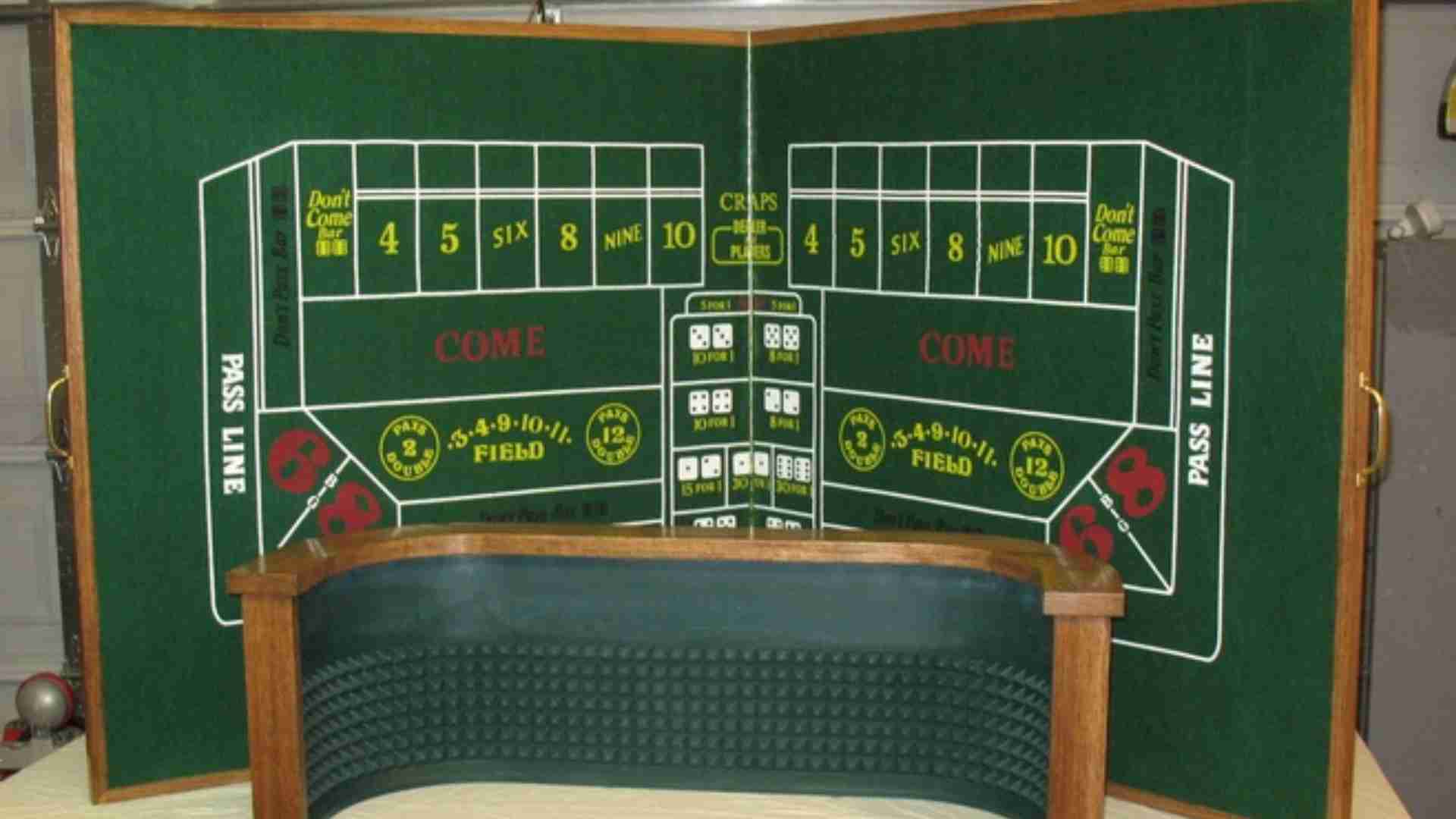
The physical arrangement of traditional European card rooms played a critical role in preserving the distinct mechanics of Baccarat Banque. Unlike modern open casino layouts designed for fast foot traffic, classic baccarat tables were isolated within private alcoves or premium salons. These massive, kidney-shaped wooden structures separated the playing area into two distinct, competing wings.
The designated dealer or banker sat directly in the center, managing two separate groups of players simultaneously. This architectural choice facilitated an intricate dual-table experience where participants could observe opposing results unfolding in unison. The physical configuration naturally slowed the pace of play, prioritizing elegance and structural balance over raw transactional velocity.
Decentralized Agency and the Third Card Choice
Modern adaptations of baccarat predominantly feature automated drawing rules where players have no say in how the cards progress. However, historic European traditions granted significant agency to the active participants regarding critical strategic decisions. Individuals holding the cards could decide whether to draw a third card or stand based on subtle observational cues.
This element of human choice introduced a layer of active tactical gameplay that has largely vanished from contemporary automated tables. Enthusiasts interested in how modern platforms compare to these traditional formats can consult a comprehensive m88 review to see current digital offerings. Modern software routinely automates the banking mechanics while preserving the core mathematical tension of aiming for natural totals.
The Enduring Influence of Aristocratic Salons
The strict etiquette and unspoken social codes established in nineteenth-century French salons continue to influence how global tabletop games are conducted. Verbal communication was historically kept to an absolute minimum, with players signaling their intentions through precise card placement and formal gestures. These table habits functioned as a social metric, emphasizing mutual trust and refined decorum during intense high-stakes rounds.
While modern gaming venues prioritize accessibility and speed, understanding these historical customs provides a richer perspective on the game's evolution. The deliberate preservation of these unusual traditions ensures that contemporary casino culture remains connected to its sophisticated heritage. Ultimately, European history successfully safeguarded an interactive art form that highlights the enduring appeal of human interaction at the table.
Why Watching The Pointer Slow Down Creates So Much Tension ...
Few visual moments command human attention as effectively as a spinning pointer gradually losing its momentum. Whether watching a physical carnival wheel or a digital selector on a screen, the subtle shift from rapid movement to a crawl triggers an intense psychological response. This dramatic visual deceleration transforms a simple automated process into a captivating experience filled with genuine suspense.
The Psychology of Visual Deceleration
When an object spins quickly, the human brain perceives the movement as a continuous blur of colors and shapes. As the pointer begins to slow down, the eyes lock onto individual ticks, forcing the brain to process each movement in real time. This rapid transition heightens visual tracking and sharpens focus on the impending result.
Neuroscientists suggest that this prolonged deceleration triggers a sudden surge in dopamine production. Because the final outcome remains uncertain for several seconds, the brain experiences an extended period of heightened anticipation. The delay between initial motion and the final stop turns a basic selection into an emotional event.
The Brain Drive for Immediate Prediction
As the pointer passes each segment, observers naturally attempt to calculate where the motion will ultimately cease. Every click past a boundary either confirms or shatters an immediate mental prediction, creating a rapid loop of expectation and adjustment. This active mental engagement keeps viewers deeply invested in the outcome until the absolute last tick.
When users navigate digital platforms or check a boss toto login alternatif, they often encounter visual elements designed to heighten engagement through instant feedback. By pacing the visual reveal, digital interfaces tap directly into the human desire for closure. The hesitation of the pointer right before settling makes the ultimate landing place feel far more significant.
Visual Suspense in Modern Interface Design
Game developers and interface designers intentionally use friction mechanics to create memorable user experiences. A sudden, abrupt stop feels mechanical and unfulfilling, whereas a gradual slowdown builds dramatic rhythm. By extending the duration of the final rotations, designers artificially amplify the emotional stakes of the interaction.
This design principle relies heavily on micro-expressions of suspense that prevent users from looking away. Even when the prize or result is minor, the theatrical deceleration creates a brief sensation of high stakes. The visual rhythm constructed by a slowing pointer effectively bridges the gap between mechanical probability and human emotion.
Why Unpredictable Angles Heighten Tension
The subtle unpredictability of physical resistance adds another layer of drama to a slowing pointer. Small variations in friction can cause the indicator to barely clear a peg or unexpectedly drop back into a previous slot. These unexpected micro-movements create powerful near-miss scenarios that linger in the viewer memory.
Ultimately, watching a pointer slow down captivates us because it forces us to surrender control to pure chance. The lingering movement prolongs the moment of possibility, allowing hope and anxiety to coexist for a brief instant. That transient state of complete uncertainty is precisely why a simple rotating indicator remains one of the most compelling visual tools ever created.

Are Cloak And Dagger Mutants ...
The culinary and narrative history of Marvel Comics is filled with complex character origins that often leave readers debating the true nature of their favorite heroes. Among the most enduring mysteries is the biological classification of Tyrone Johnson and Tandy Bowen, famously known as Cloak and Dagger. While their aesthetic and frequent collaborations often place them alongside X-Men teams, their canonical genetic status has undergone several major shifts over the decades.
The Original Comic Book Origin
When the duo first debuted in the pages of Spider-Man comics during the early 1980s, their powers were directly tied to a tragic street-level experiment. They were introduced as runaway teenagers who were forcibly injected with a highly volatile, synthetic drug by criminal elements. This extreme chemical trauma triggered their unique abilities, granting Tyrone control over the Darkforce Dimension and Tandy the power to create solid light daggers.
For many years, this specific back-story firmly categorized them as mutate heroes, meaning they were ordinary humans altered by external forces. Unlike traditional mutants who are born with the inherent X-Gene, Cloak and Dagger owed their survival and subsequent abilities to a freak laboratory accident. This distinction kept them separated from the broader political struggles of mutantkind during their early publishing eras.
The Mutant Misadventures Retcon
As the popularity of the X-Men franchise soared in the late 1980s, Marvel editorial decided to experiment with the duo's established lore. The comic book series was explicitly rebranded to emphasize a genetic connection, introducing the concept that the experimental drugs had merely acted as a catalyst. Under this narrative framework, both Tyrone and Tandy were classified as latent mutants whose hidden abilities would have remained dormant without chemical intervention.
This major shift allowed the characters to integrate more deeply into the complex tapestry of mutant society and find a unique placement among younger hero teams. Fans generally accepted this development as it added a layer of genetic destiny to their ongoing struggle with their dualistic powers. However, this thematic alignment with Krakoan or traditional mutant storylines would eventually face another structural reversal.
Modern Canonical Clarification
In more recent story arcs, particularly during the Utopia crossover event, Marvel writers officially restored the duo to their non-mutant origins. When approached by Norman Osborn to join his government-sanctioned Dark X-Men squad, Cloak and Dagger explicitly stated that they are not mutants. This definitive statement reminded the comic community that their official status remains rooted in human experimentation rather than genetic inheritance.
Recent publications like Uncanny Spider-Man have reconfirmed this status quo, ensuring they stand out as distinct street-level vigilantes. Understanding their biological background helps readers appreciate how their narrative functions independently from standard mutant politics. Their ongoing legacy continues to prove that compelling hero dynamics do not require a specific classification to capture the imagination of global audiences.

The Mental Challenge Of Folding For Hours ...
In competitive card games, success is often measured by bold plays and aggressive betting, but disciplined patience plays an even more crucial role. Sitting through long stretches of weak cards requires intense emotional regulation and mental stamina. Navigating these prolonged periods of inaction without losing focus is one of the most demanding hurdles a player can face.
The Psychology Behind Prolonged Inaction
Constantly discarding unplayable hands can induce severe mental exhaustion and deep boredom over extended gaming sessions. Human psychology naturally craves stimulation, making forced passivity feel like an uphill battle against instinct. Overcoming this internal urge to jump into unfavorable pots requires deliberate mental training.
When a player surrenders hand after hand, cognitive fatigue gradually accumulates and tests strategic resolve. Recognizing that inactivity is a strategic decision rather than a waste of time helps maintain clarity. Remaining calm during quiet stretches preserves valuable mental energy for high-stakes decisions down the line.
Resisting the Urge to Play Marginal Cards
The primary threat during a cold streak is the subtle temptation to play sub-optimal hands out of pure frustration. As time passes without seeing a strong holding, players often compromise their starting standards just to get involved. This psychological trap leads directly to costly mistakes and avoidable chip loss.
Maintaining strict starting range boundaries ensures long-term consistency despite short-term boredom. Experienced competitors treat disciplined folding as a proactive defense mechanism that protects their overall win rate. Staying grounded prevents impulsive decisions that could shatter hours of careful preparation.
Utilizing Downtime for Table Observation
Folding continuously does not mean active engagement should stop until the next playable hand arrives. Smart players utilize periods between hands to gather valuable intelligence on their opponents' behavioral patterns. Watching how rivals react to pressure provides critical insights for future encounters.
Many strategic enthusiasts refine their analytical mindset by checking an m88 slot login to study competitive gaming dynamics. Observing betting timing and bet sizing during inactive hands turns downtime into a powerful advantage. Staying visually attentive keeps the mind sharp and fully immersed in the flow of the game.
Building Endurance for Long Sessions
Developing long-term patience is a skill that requires consistent practice and emotional self-awareness. Taking brief mental breathers and practicing steady breathing helps neutralize rising frustration during quiet stretches. Treating folded hands as steps toward better opportunities builds psychological resilience.
Ultimately, mastering the discipline of folding for hours separates true strategists from casual players. Embracing passivity as a core component of strategy allows players to stay focused when action eventually arrives. Through sustained composure, long stretches of folding transform into opportunities for deliberate control.

How to Transfer Files From PC to Steam Deck ...
The Steam Deck has revolutionized handheld gaming by bringing vast PC libraries directly into the palms of players' hands. While downloading games straight from the official storefront is seamless, managing custom files like mods, emulation ROMs, or local game backups often requires moving data from a primary computer. Understanding the most reliable local transfer methods ensures you can customize your portable console without facing unnecessary data bottlenecks.
Utilizing Built In Network Tools Natively
One of the most streamlined ways to share documents without plugging in physical hardware is using the native remote tools already integrated into SteamOS. The operating system includes pre-installed network discovery features that allow your desktop machine to locate the handheld over a local Wi-Fi connection. This wireless infrastructure provides a dead-simple approach for managing directories while keeping your device completely portable.
To establish this connection safely, ensure both systems are actively running on the exact same home router frequency. This method preserves your local bandwidth because the transmission occurs entirely within your internal network rather than uploading to cloud storage services. Once configured correctly, navigating the storage folders becomes just as straightforward as managing standard desktop partitions.
Setting Up Wireless SSH Data Streams
For advanced users looking for speed and stability, configuring a Secure Shell or SFTP link stands out as a highly efficient option. By accessing the desktop environment on your handheld console, you can quickly initialize the built-in network terminal services and create a personal access password. This unlocks secure end-to-end file sharing capabilities that can be managed from Windows or Linux computers using free software clients.
Using secure shell commands prevents data corruption during massive background copies of large file structures. It also gives you absolute control over deep system directories where custom game modifications are typically placed. Many enthusiasts find this structural approach to be the fastest option for populating internal drives or high-capacity micro SD cards.
Moving Files Offline With Physical Storage
If your wireless environment is prone to latency or lack of stability, utilizing a physical storage medium remains an excellent offline alternative. You can format an external USB flash drive or a portable solid-state drive using a file system architecture that both devices can comfortably read. This traditional method completely bypasses network configuration steps and guarantees consistent, high-speed hardware transfer rates.
Simply copy your targeted game directories from your computer onto the external device before safely disconnecting it. After plugging the media into the handheld console via a compatible hub, you can open the built-in file manager to copy the assets over. This offline approach is perfect for moving massive open-world titles or substantial simulation packages without relying on internet availability.
Semua artikel sudah ditampilkan.